
YouTube Stars The Grimwade Family Join the We Make Footballers Franchise
YouTube stars The Grimwade Family have launched their own children's football coaching franchise with We Make Footballers. Here's why they joined.


YouTube stars The Grimwade Family have launched their own children's football coaching franchise with We Make Footballers. Here's why they joined.

What to look for when choosing a youth football academy: coaching quality, group sizes, safeguarding and a pathway that suits your child.
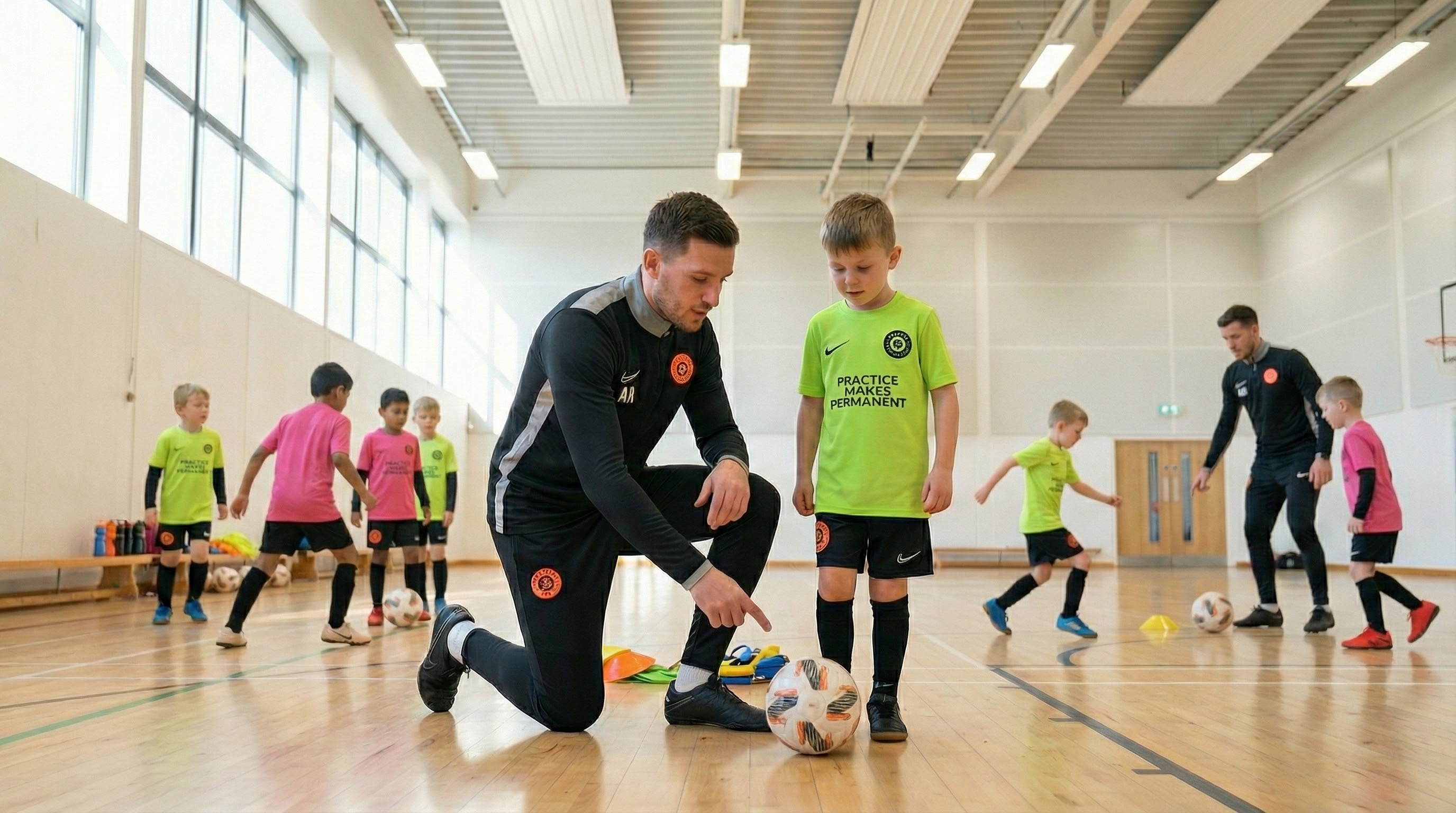
How good football coaching improves a child's performance, from technique and confidence to decision-making, and how WMF coaches approach it.

The growing range of careers for women in football, from coaching to the boardroom, and how the game is opening up across England.

Why We Make Footballers keeps a ratio of 10 children per coach, and how smaller groups mean more touches, more feedback and faster progress.

How We Make Footballers coaches use the FA Four Corner Model, covering technical, physical, psychological and social development, in every session.

How WMF coaches teach young players that success has to be earned, building effort, resilience and a winning mindset from an early age.
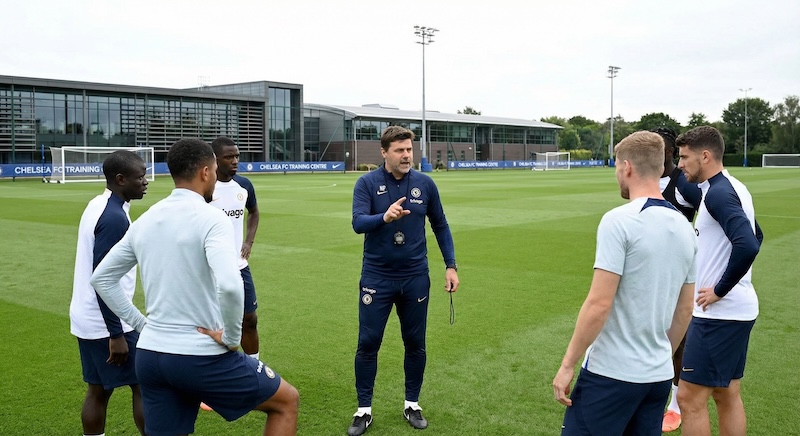
Which country is the best in the world to play football in? We weigh up facilities, coaching, culture and pathways across the top nations.

Our pick of the 10 most influential football managers of all time, and the ideas each of them changed about how the game is played and coached.

How visualisation helps footballers perform under pressure, with simple techniques coaches can use to help young players picture success.

The role of a football coach goes well beyond drills: session planning, analysis, feedback and, for WMF franchise owners, running a business.

How lockdown affected children's football in the UK, from lost sessions to activity levels, and what the return to training looked like.

An overview of football coaching techniques and how the methods a coach chooses shape a young player's development and enjoyment of the game.

What England DNA actually means: the FA's playing and coaching philosophy for national teams, and how it filters down to grassroots football.

Where to find good football coaching resources, from books and podcasts to courses and online drill libraries, to keep improving as a coach.

How children recover after football, why rest and nutrition still matter for young players, and simple recovery habits coaches can encourage.

How to find a football coaching job once you're qualified, from grassroots clubs and academies to running your own coaching business.

Volunteers are the backbone of grassroots football. The personal and career benefits of volunteering at your local club.

The wide range of jobs in football beyond playing, from coaching and analysis to media, medicine and business roles.

How to become a football coach in Europe: UEFA licences, routes into clubs and what it takes to coach in some of the world's top football nations.

You don't need to be a top player to work in football. The routes into a football career, from coaching to the wider industry.
How to get a job at a professional football club: the roles available, the qualifications that help and how to stand out when you apply.

Fear stops many people starting their own business. How to overcome it, and why a franchise can reduce the risk of going it alone.

Practical ways to recruit players for a youth football team, from local promotion and schools to word of mouth and free trial sessions.

The skills scouts build transfer well. Other football roles you can take on alongside a scouting career, including coaching.

Why England is a strong place to run a football coaching business, with high participation and strong demand for quality children's coaching.

Why experience matters in football coaching, how new coaches can build it quickly and how it shapes the way you work with young players.

Meet Matthew Ansah, our 17th franchise owner, who brings grassroots and academy coaching experience to We Make Footballers in Croydon.

Five skills every great football coach needs, from communication and planning to patience and the ability to keep sessions fun.
What the FA Level 2 coaching course involved, what it taught and how it fitted into the FA coaching pathway for developing coaches.

How to go full-time in football coaching: building experience and qualifications, and options from club roles to running your own business.

Weighing up a football coaching career against the security of an office job: lifestyle, income, fulfilment and how to make the move.

Why football coaching can make you a happier person, from purpose and community to working outdoors in a sport you love.

Why coaching qualifications matter: better sessions, more credibility with parents and clubs, and a clearer path through your coaching career.

What the FA Level 1 coaching course covered and why it was the first step on the FA coaching pathway for new coaches.

The qualifications you need to become a football coach in England, including FA courses, safeguarding, first aid and DBS checks.
